


How to Get Hired at Anthropic (2026)
Anthropic hires selectively across research, engineering, and GTM. Here is how the process works and how to prepare for it, based on continuous tracking of their listings.
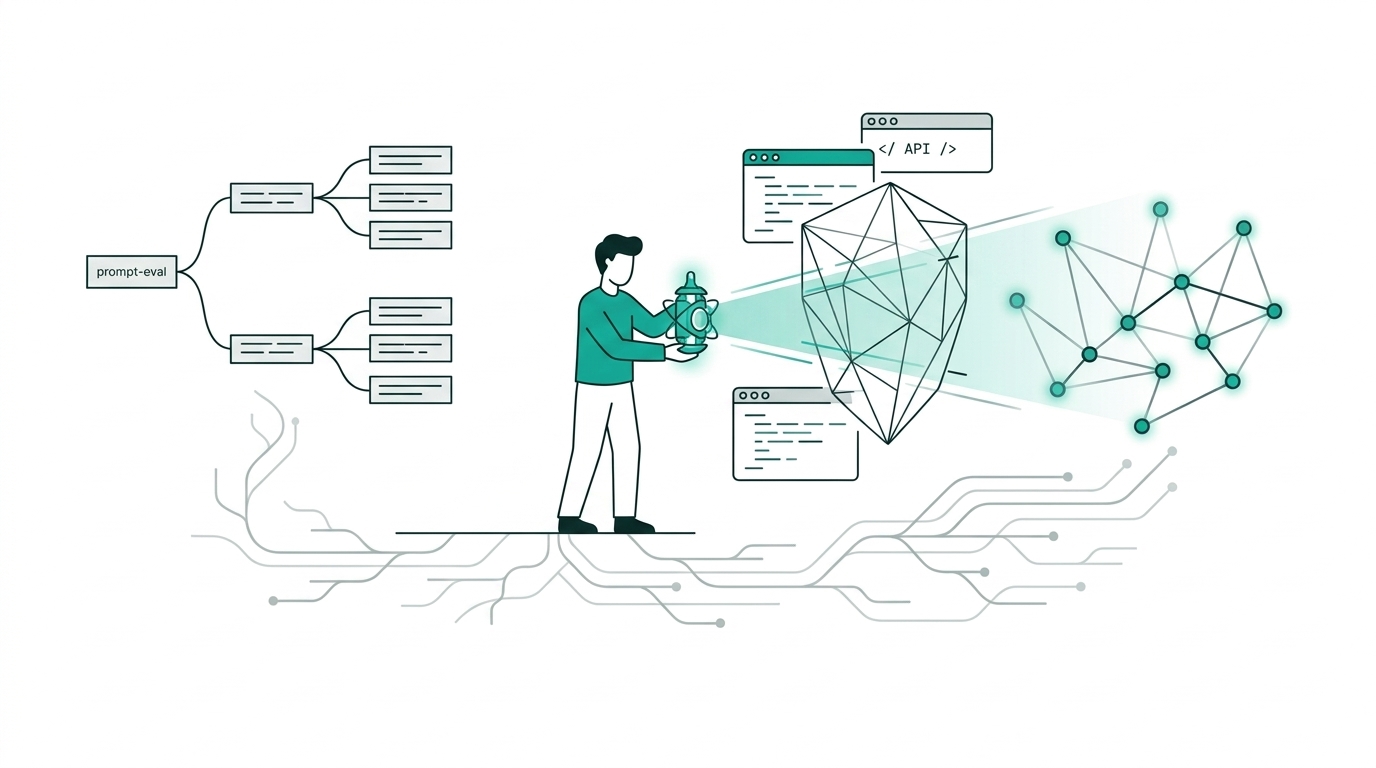
Anthropic is one of the most competitive employers in tech: a mission-driven AI safety lab that has grown from ~150 employees in 2023 to well over 1,000 in 2026, with roles spanning research, engineering, product, and go-to-market. Most candidates apply cold and get a form rejection with no explanation.
This guide walks through what the interview process looks like, what the hiring bar is across teams, and what gets an application through initial review and into a recruiter screen.
What Anthropic actually hires for#
The company breaks broadly into three families of roles:
- Research (RS / RE): Safety, alignment, interpretability, model behavior, and evaluations. A Ph.D. is common but not required for RE (Research Engineer) tracks; a strong ML systems background matters far more than formal pedigree.
- Product & platform engineering: The teams building Claude.ai, the Claude API, Claude Code, integrations, and developer tools. This follows traditional SWE hiring, but with an unusually high bar for judgment and code quality.
- Go-to-market & operations: Sales engineering, solutions, marketing, finance, and recruiting. This group has expanded rapidly to support the growing enterprise business.
Roles are published on their official careers page and their Greenhouse board. Fastlyy monitors both, with new listings typically appearing on our feed within 15 minutes of going live.
What the bar actually is#
Discussions with candidates who have navigated Anthropic's process reveal consistent evaluation patterns:
For engineering roles, teams prioritize:
- Judgment and taste. Can you evaluate a system and identify where it is over-engineered? Can you articulate why certain features shouldn't be built? Anthropic strongly avoids unnecessary complexity.
- Clear writing. Terse, structured documentation and PR descriptions receive substantial scrutiny.
- Fluency with LLMs as a daily user, not just an API consumer. Interviewers often observe candidates using Claude during technical exercises; hesitation with prompting suggests limited hands-on experience shipping LLM-driven features.
- Clean, production-grade code. Small functions, direct abstractions, and obvious naming. Their engineering blog illustrates this aesthetic.
For research roles, candidates should also demonstrate:
- Published or shippable evaluations. Leading with a benchmark, interpretability probe, or model-behavior study provides immediate credibility.
- A considered view on safety. Rather than general statements about AI risk, candidates should have clear views on which safety challenges are currently tractable versus speculative.
For GTM roles, interviewers look for:
- Technical fluency with the API. Even sales candidates are often asked to walk through an API integration scenario.
- Demonstrated ownership in small teams. GTM functions remain lean, requiring individuals to own substantial scope.
What the process looks like#
The standard interview sequence generally includes:
- Application review. Typically takes 5–8 business days for an initial response, with a selective filtering bar at this stage.
- Recruiter screen. A 25–30 minute conversation about your background and why you want to work at Anthropic.
- Hiring manager conversation. A 45-minute discussion covering behavioral questions and deep dives into 1–2 recent projects.
- Technical rounds (2–4 sessions depending on role).
- Coding: Hands-on implementation in a real development environment rather than whiteboard puzzles.
- System design: Pragmatic architectures tailored to realistic production scale.
- Research track: Paper deep-dives followed by a research proposal session.
- Values and judgment round. A longer discussion (often 45–60 minutes) exploring trade-offs, intellectual honesty, and working through disagreement.
- Team match and offer. Usually finalized quickly once the loop is completed.
The overall timeline averages 3 to 6 weeks.
The specific things that get people advanced#
Patterns across successful hires highlight several high-impact tactics:
Ship something with Claude before applying. Developing a small project (such as a CLI tool, custom integration, or evaluation benchmark) gives you concrete talking points within the first five minutes of the screening call.
Develop an informed perspective on their published work. Review their research publications and responsible scaling policy, identifying specific technical decisions or assumptions you would debate.
Treat the behavioral and values loop with equal priority. The values conversation is rigorous; candidates frequently pass technical screens only to fall short on communication or collaborative judgment.
Use warm referral pathways whenever possible. Internal referral notes are reviewed carefully, ensuring your profile is evaluated directly rather than remaining in high-volume public queues.
Common reasons applications get rejected#
- Resume resembling a generic keyword list. Anthropic engineers review resumes directly; unquantified buzzwords dilute overall signal. See our guide on buzzwords to cut for recommendations.
- Submitting long after publication. High-priority roles receive significant scrutiny during the first week; applying early ensures your profile is considered before interview cohorts fill.
- Generic cover letters. Expressions of broad enthusiasm without specifics add little value. Mention specific technical initiatives you want to contribute to.
- Mismatched team targeting. Different groups require distinct technical foundations. Applying to core alignment when your background is inference performance often results in delays or mismatches.
Practical steps for this week#
- Identify a specific opening. Focus your preparation on the exact requirements of a single team rather than the general company.
- Review recent research updates. Select one initiative you find compelling and prepare thoughtful questions or counterpoints.
- Build a practical prototype using the Claude API. A concise, functional project provides strong signal.
- Tighten your resume bullets. Ensure every bullet highlights measurable outcomes and engineering scope.
- Set up real-time career page notifications. Track openings directly via Fastlyy or automated monitors on
boards.greenhouse.io/anthropic.
What earns the offer#
Successful candidates consistently demonstrate clarity regarding what they intend to build and why their technical background uniquely equips them to tackle that problem.
When your application clearly communicates that alignment from the first screen, you dramatically improve your interview outcomes.
Want to be alerted the moment a matching role opens at Anthropic (or 1,000+ other tech companies)? Try Fastlyy free for 3 days.
Principal Engineering Career Advisor
Ex-FAANG hiring committee member and career mentor helping software engineers navigate technical interview bars, leveling calibrations, and offer comparisons.
Want alerts the minute Anthropic posts a new engineering role?
Engineering requisitions at Anthropic hit applicant caps within 48 hours. Fastlyy monitors their direct career pages every 15 minutes, alerting you 1 to 3 days before the role syndicates to LinkedIn.