Tactical career guides, hiring data, visa roadmaps, and company-specific interview blueprints for engineers who want to apply on day zero before recruiter queues close across 1,000+ tech companies.
33 posts
Browse Engineering Career Guides by Topic
Featured GuideEarly Alerts & Speed· Sep 18, 2026· 4 min read
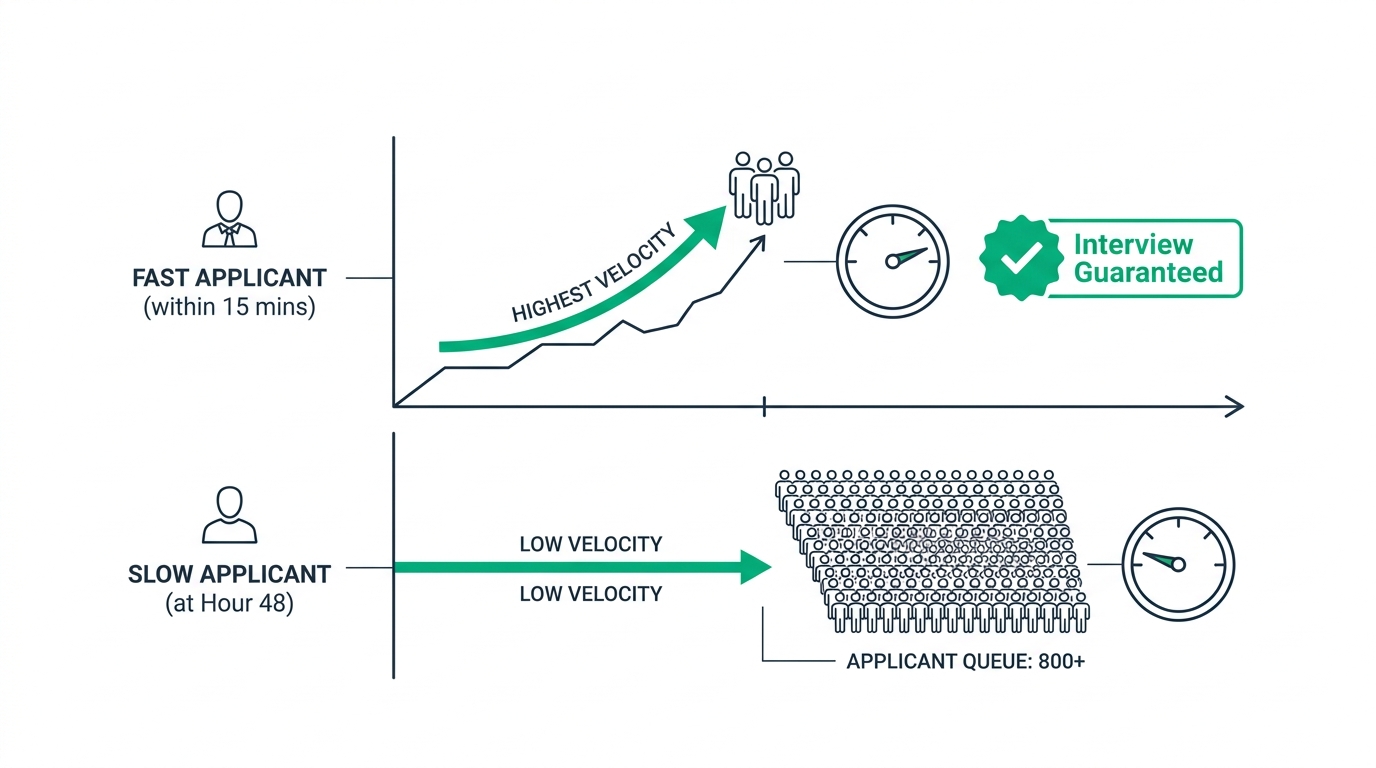
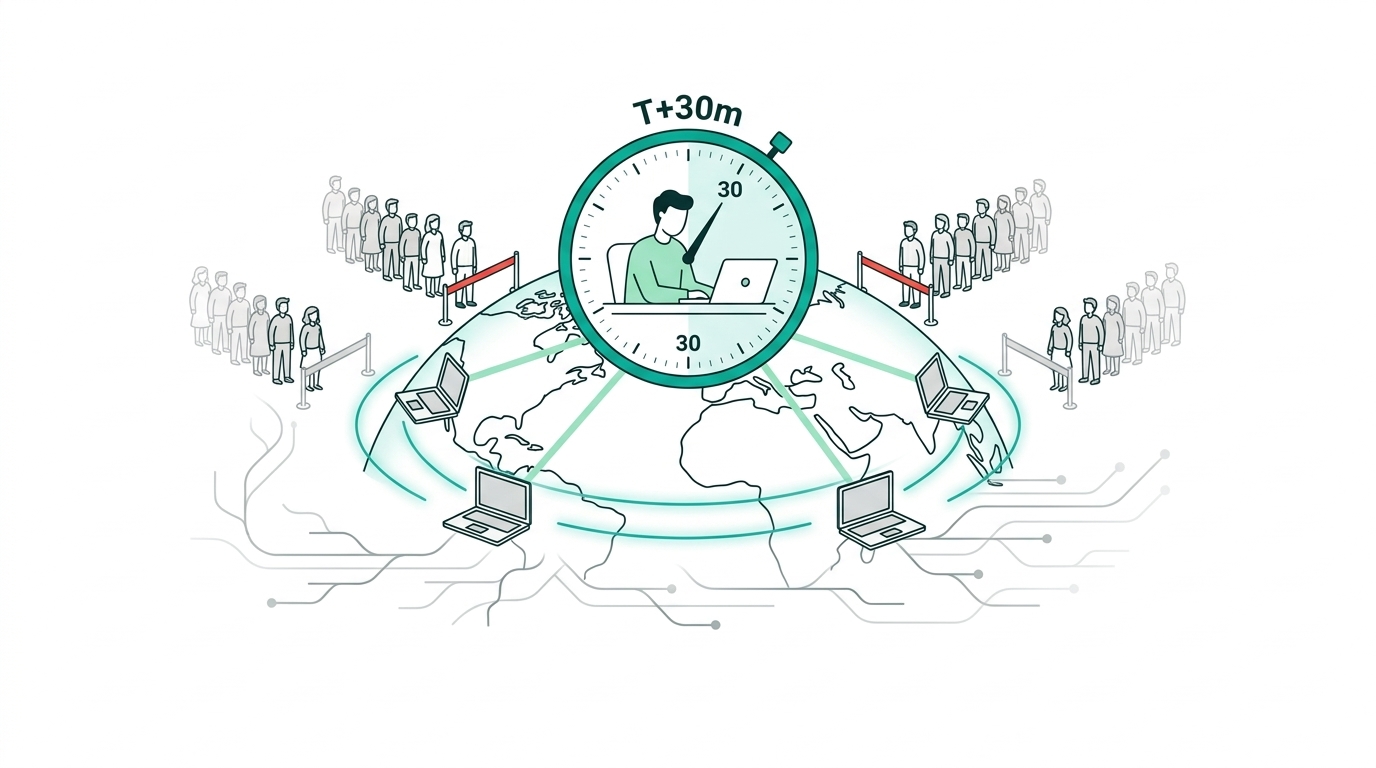
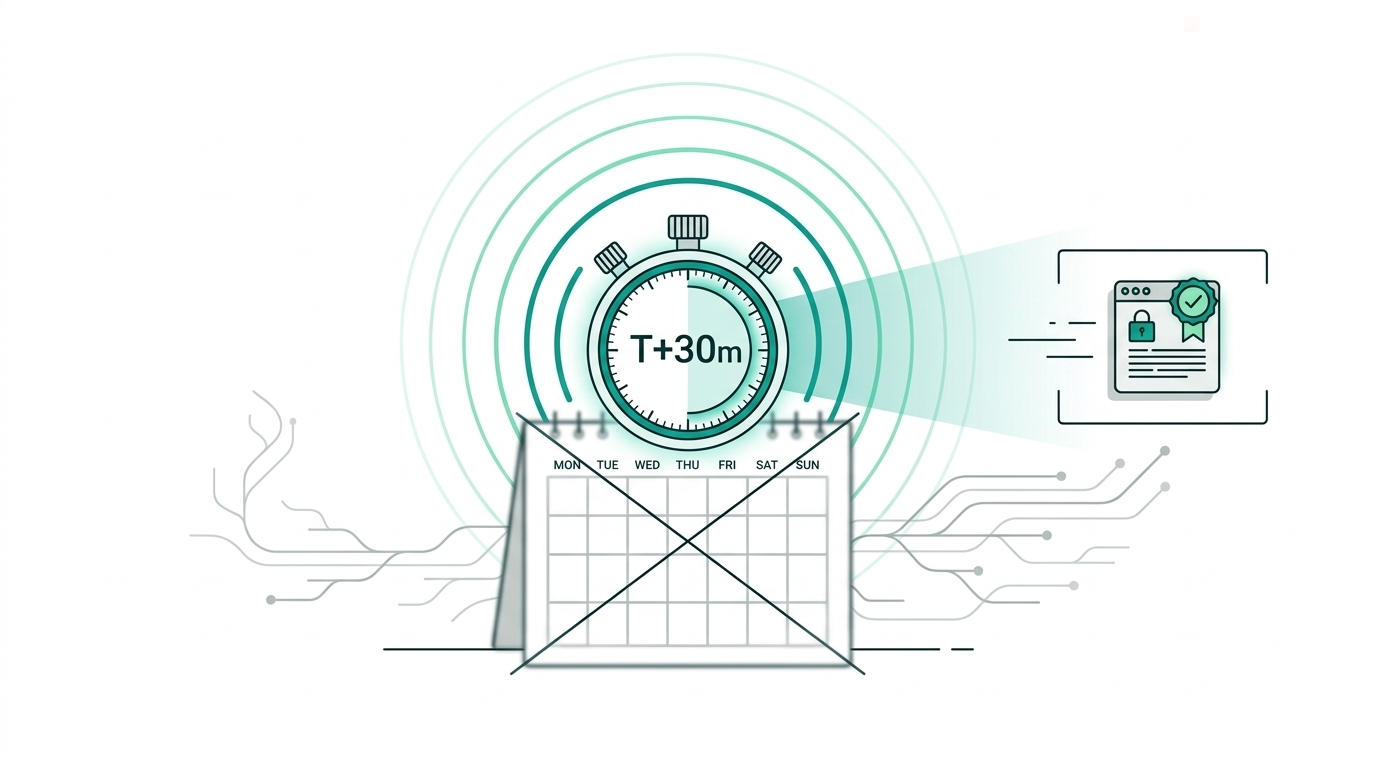
Recruiters evaluate applicants in chronological batches, not random lotteries. Here is how modern ATS queues work, why applying in the first 30 minutes multiplies callbacks, and the daily workflow to pull it off.
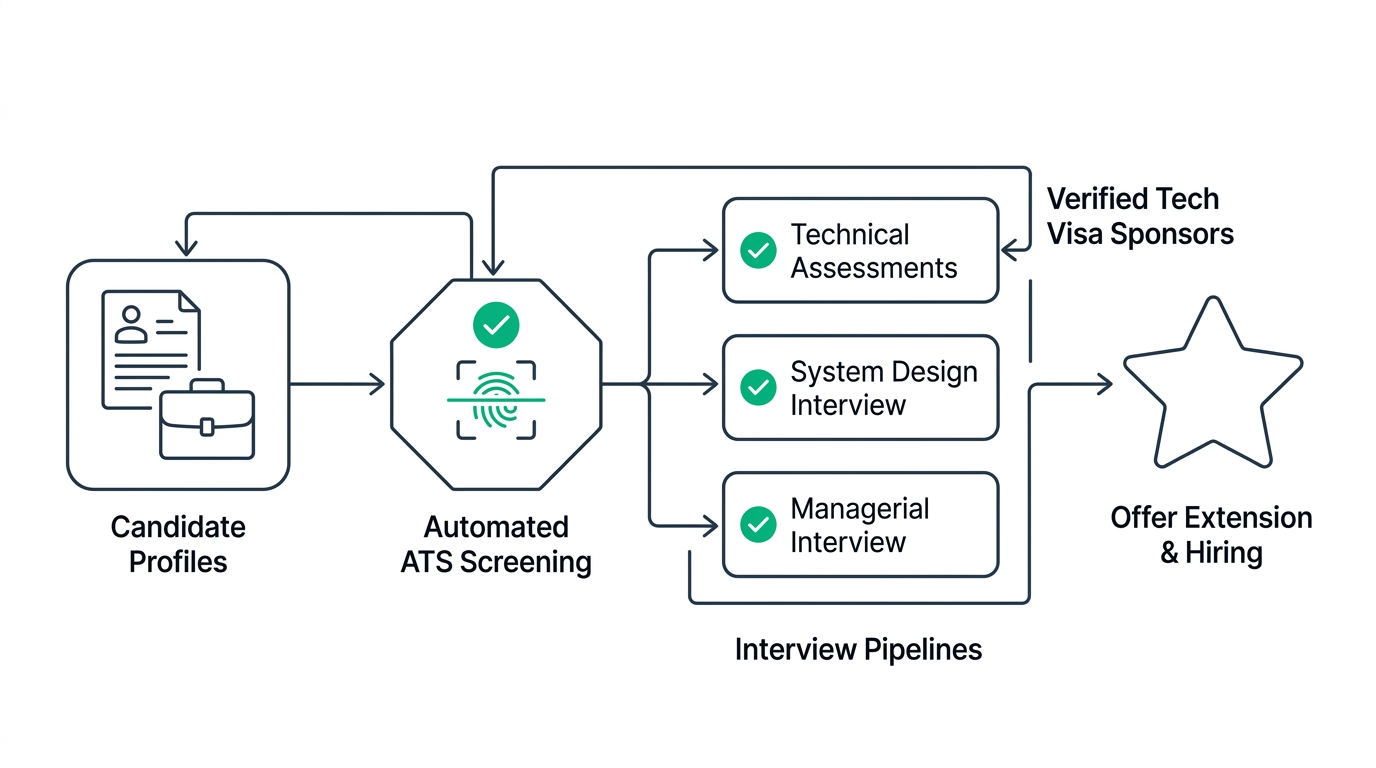
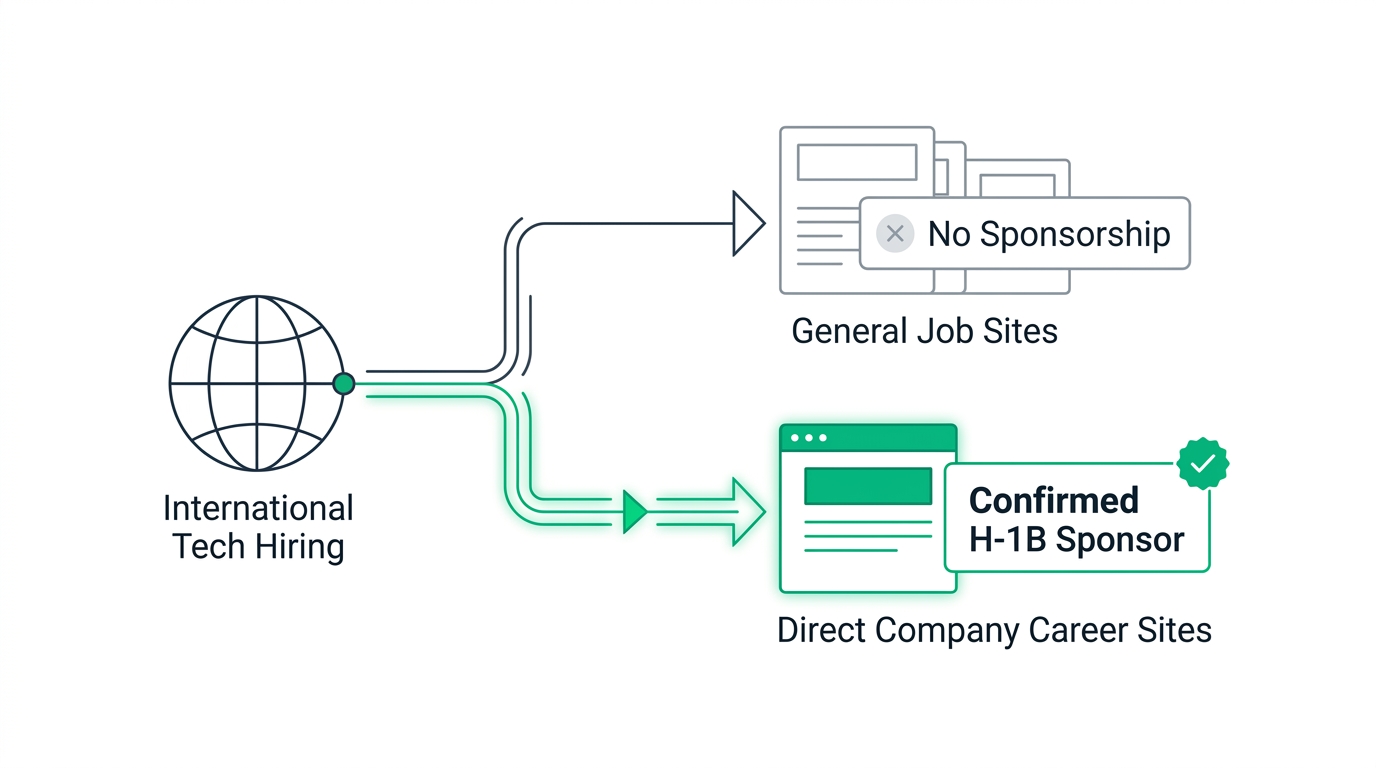
Vague job board tags waste valuable application time for international engineers. Here is how to verify legitimate H-1B and OPT sponsors using USCIS data and direct ATS listings.
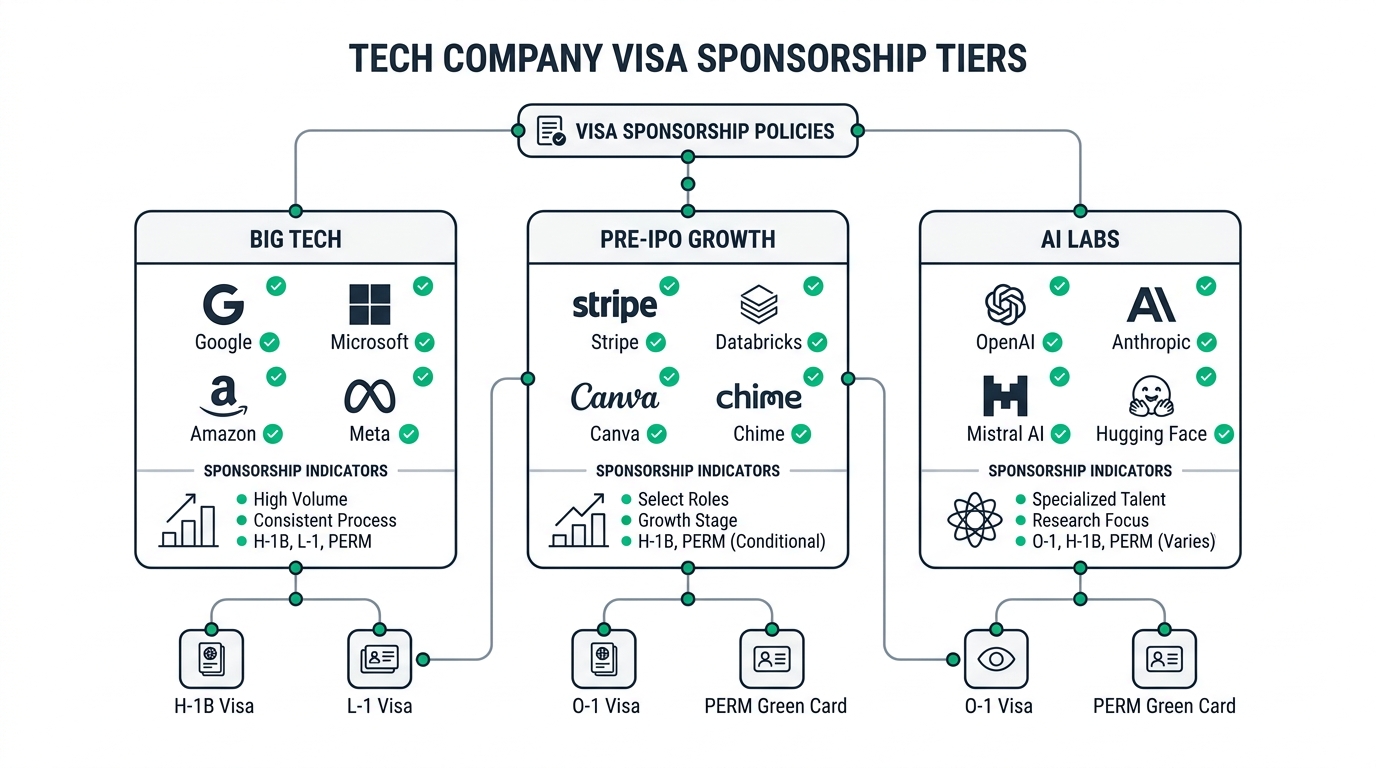
USCIS data reveals which tech companies actively sponsor H-1B visas and which only file internal renewals. Here is the verified breakdown across enterprise and growth-stage tech.
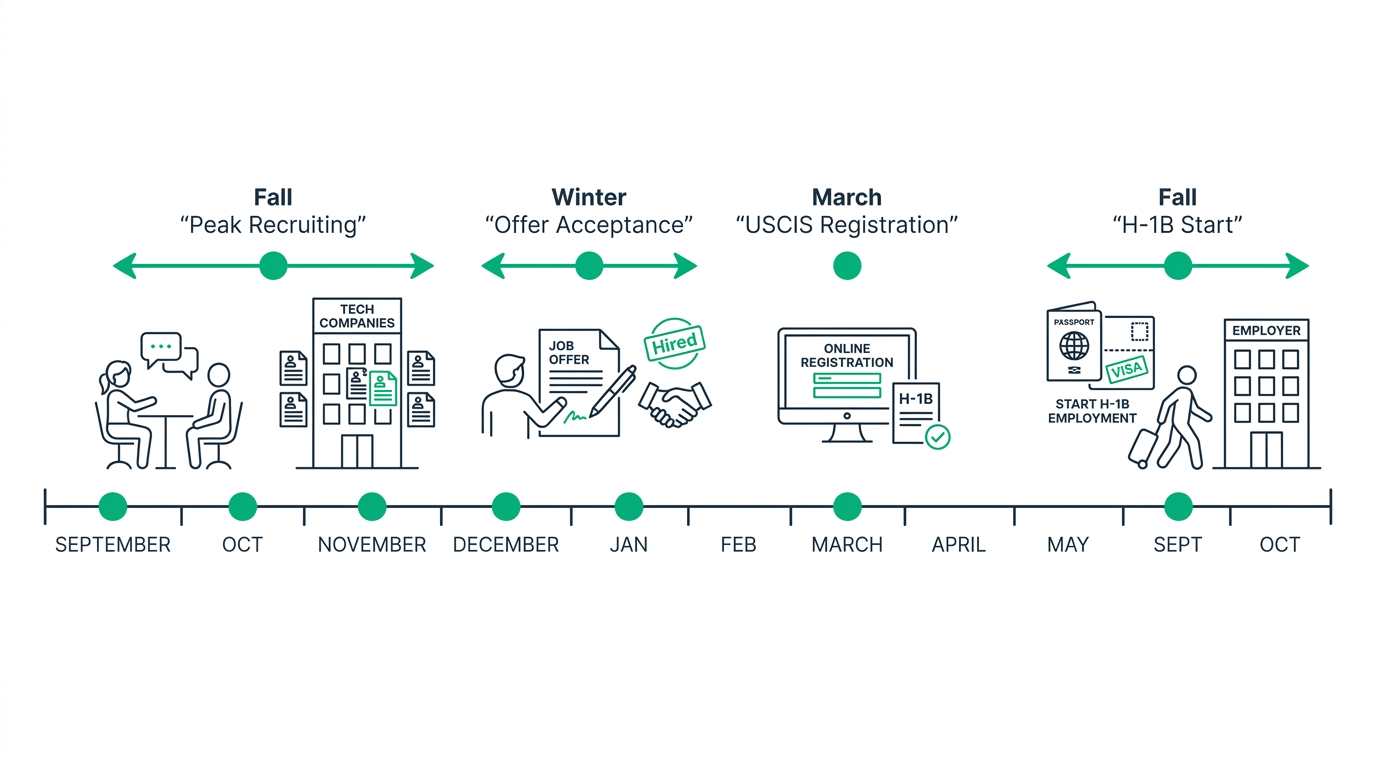
Waiting until graduation to apply for tech jobs guarantees missing the annual H-1B lottery window. Here is the month-by-month playbook to secure sponsorship in tech.
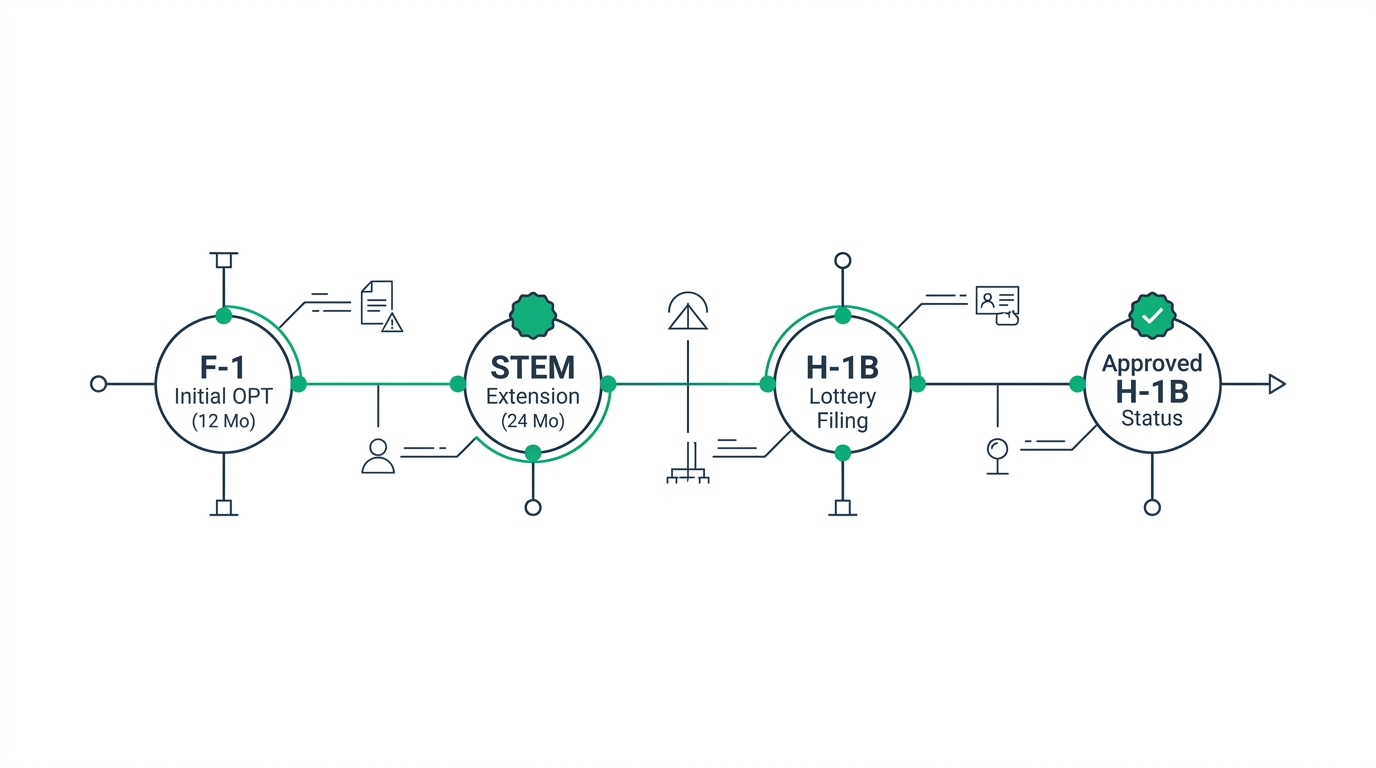
How international software engineers navigate the transition from F-1 STEM OPT to an approved H-1B visa, including Form I-983, E-Verify requirements, and cap-gap rules.
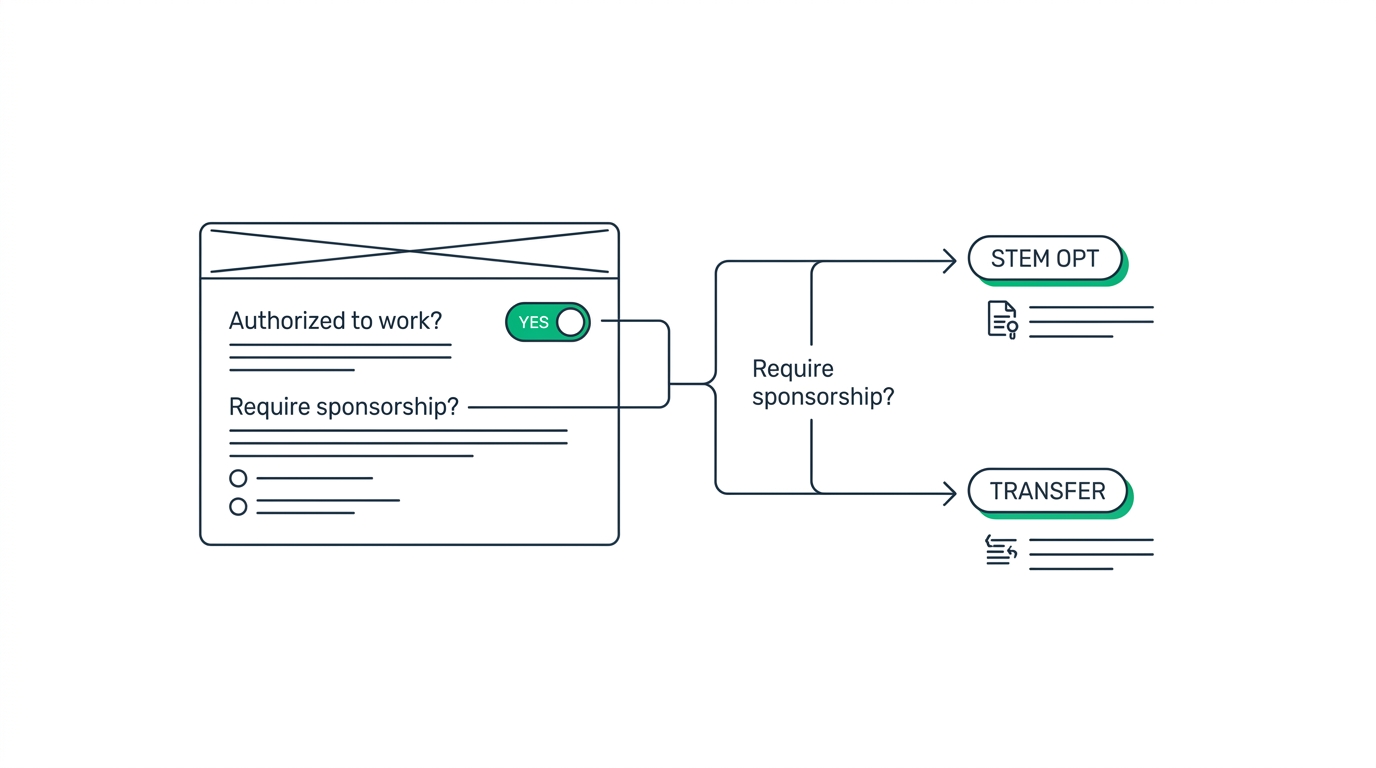
The exact legal phrasing and strategies for answering work authorization and visa sponsorship questions on Greenhouse, Lever, and Workday applications.
Most job boards lack accurate visa filters. Here are seven platforms ranked by sponsorship verification, listing freshness, and utility for F-1 and H-1B engineers.
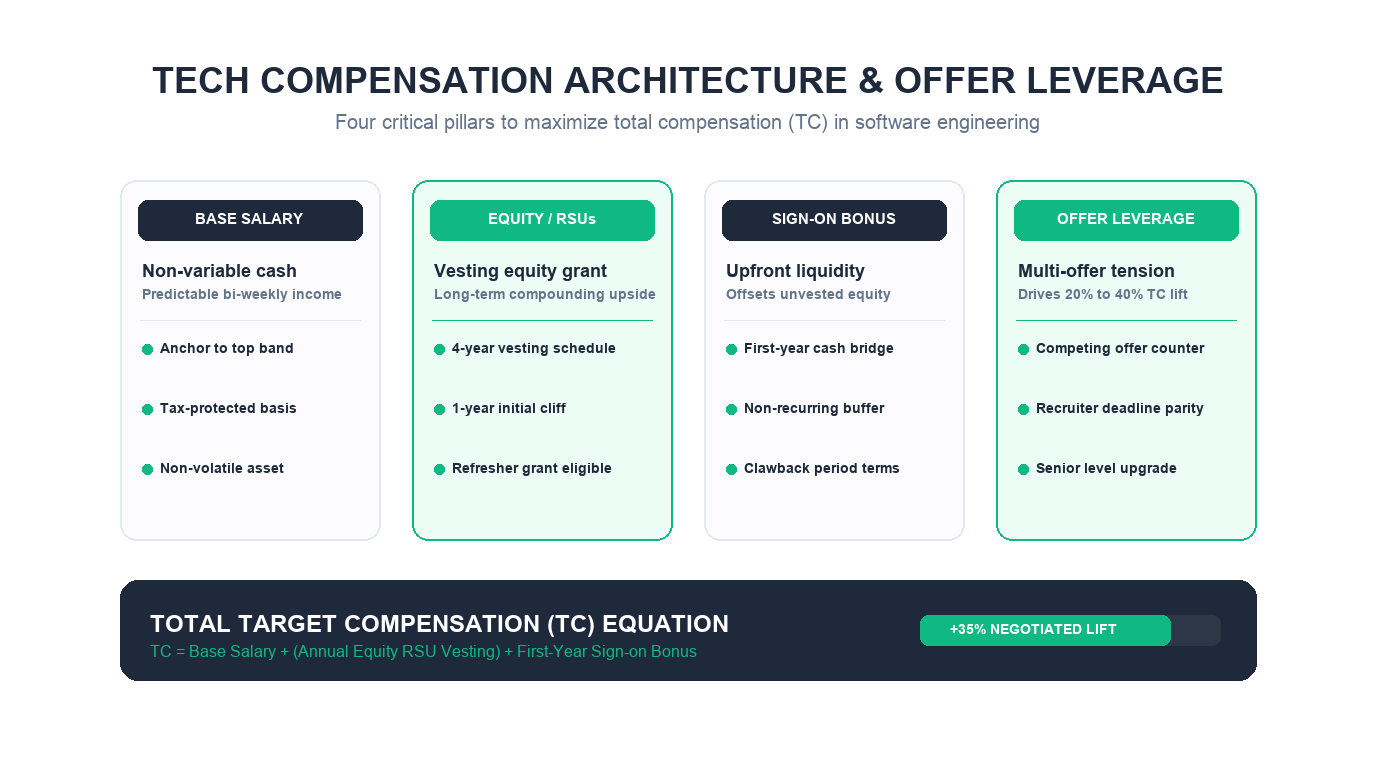
Concrete scripts and operational steps to negotiate software engineering offers. How to evaluate base salary, equity, and signing bonuses without risking offer rescission.
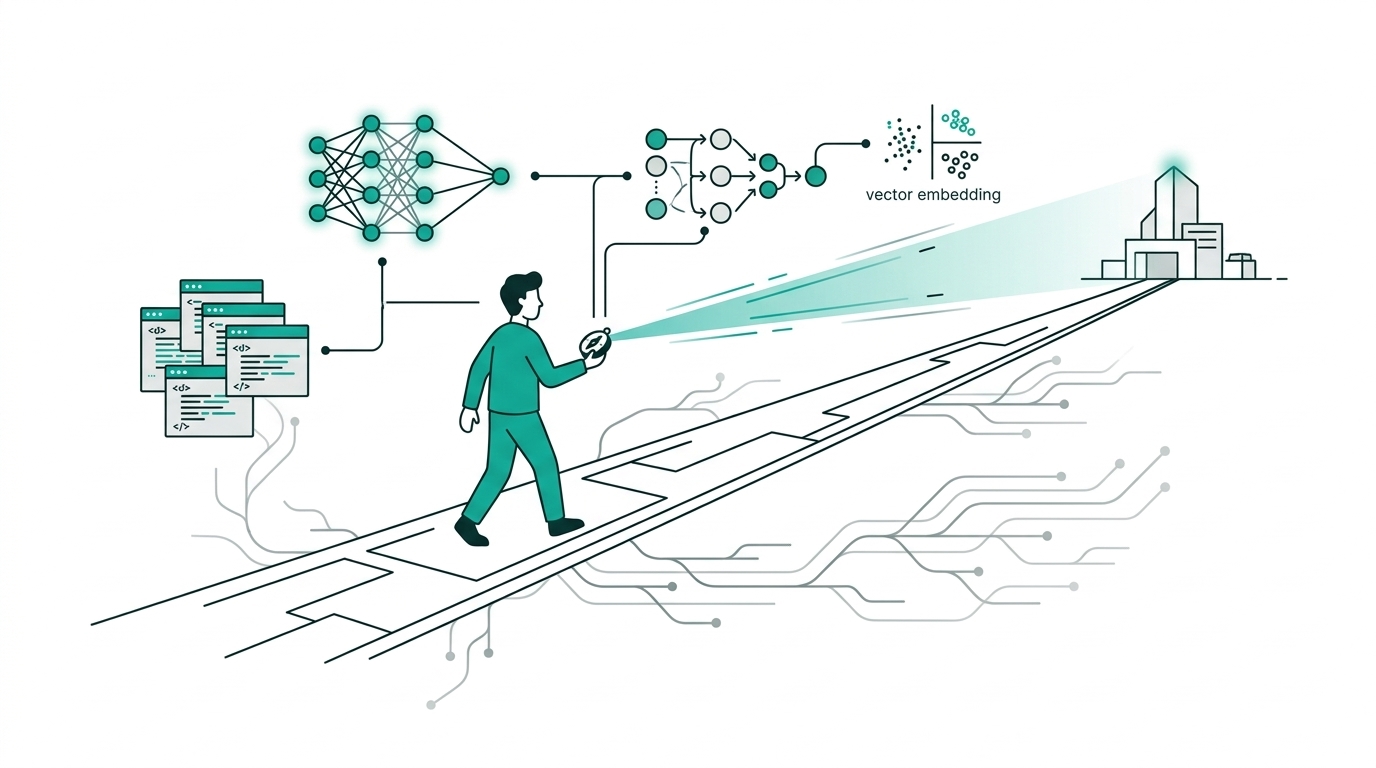
A complete practical guide to transitioning from traditional software engineering to AI engineering in 2026. Master LLM architecture, RAG optimization, eval pipelines, agent orchestration, and portfolio proof.
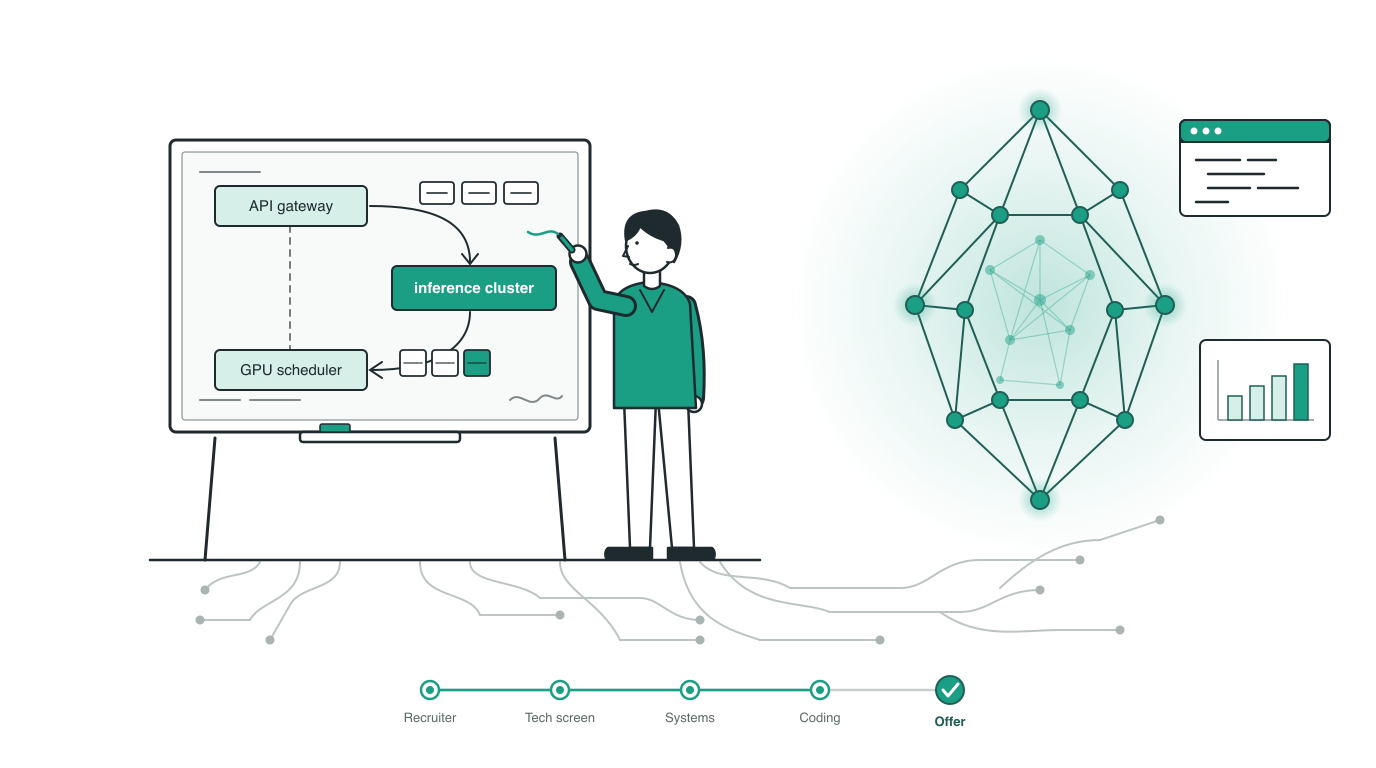
A complete insider guide to landing a software engineering or research role at OpenAI in 2026: required skills, interview stages, coding rubrics, salary bands, and how to apply before headcount caps.
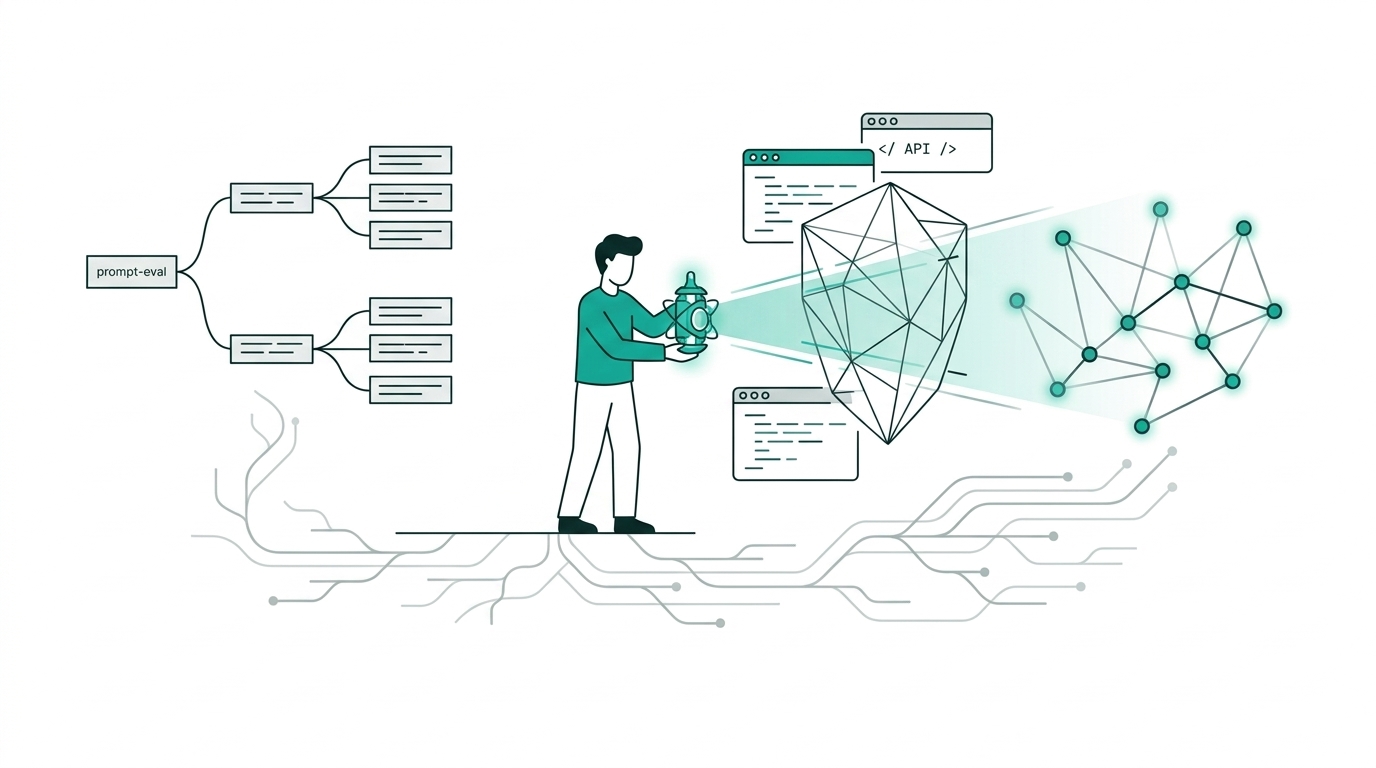
Anthropic hires selectively across research, engineering, and GTM. Here is how the process works and how to prepare for it, based on continuous tracking of their listings.
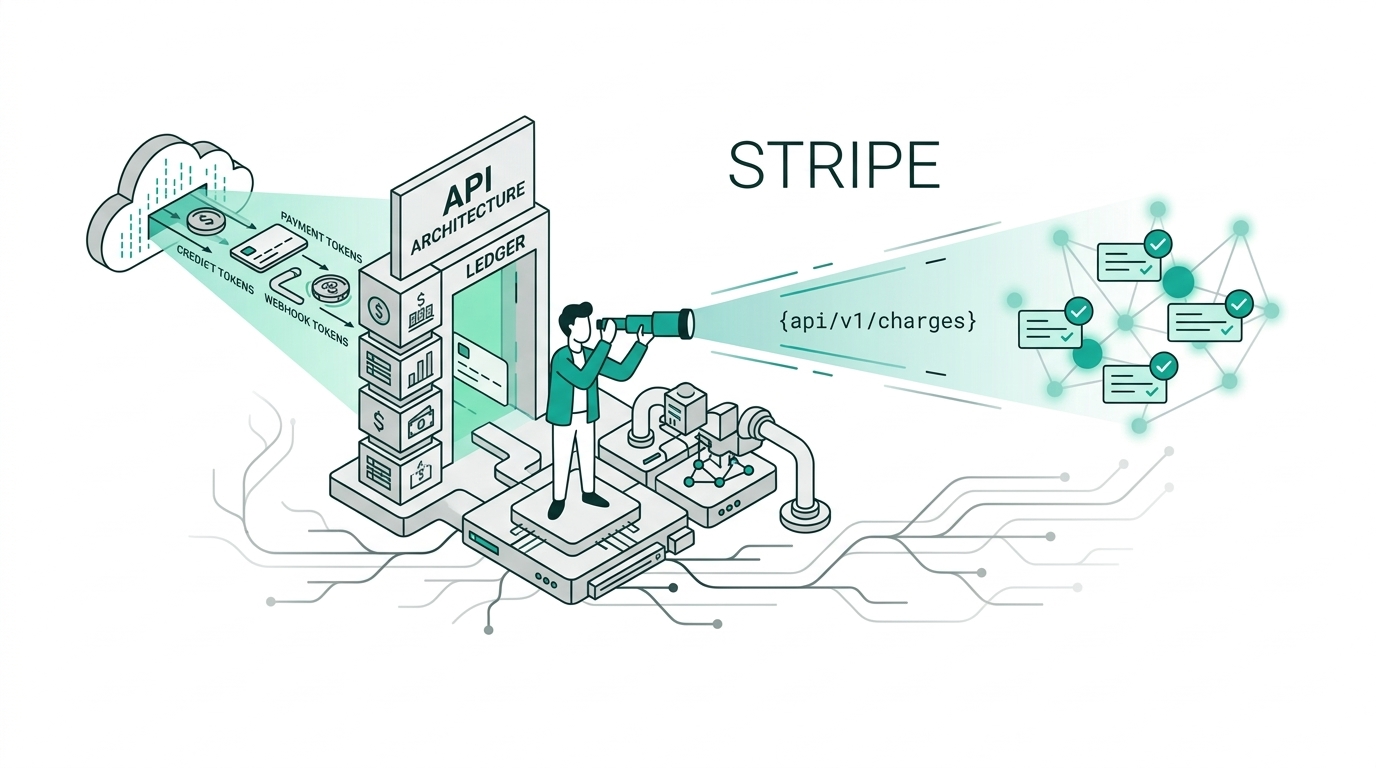
Stripe hires more engineers than almost any other private tech company right now, but the bar hasn't dropped. Here is what their process is actually like, and what winning candidates have in common.
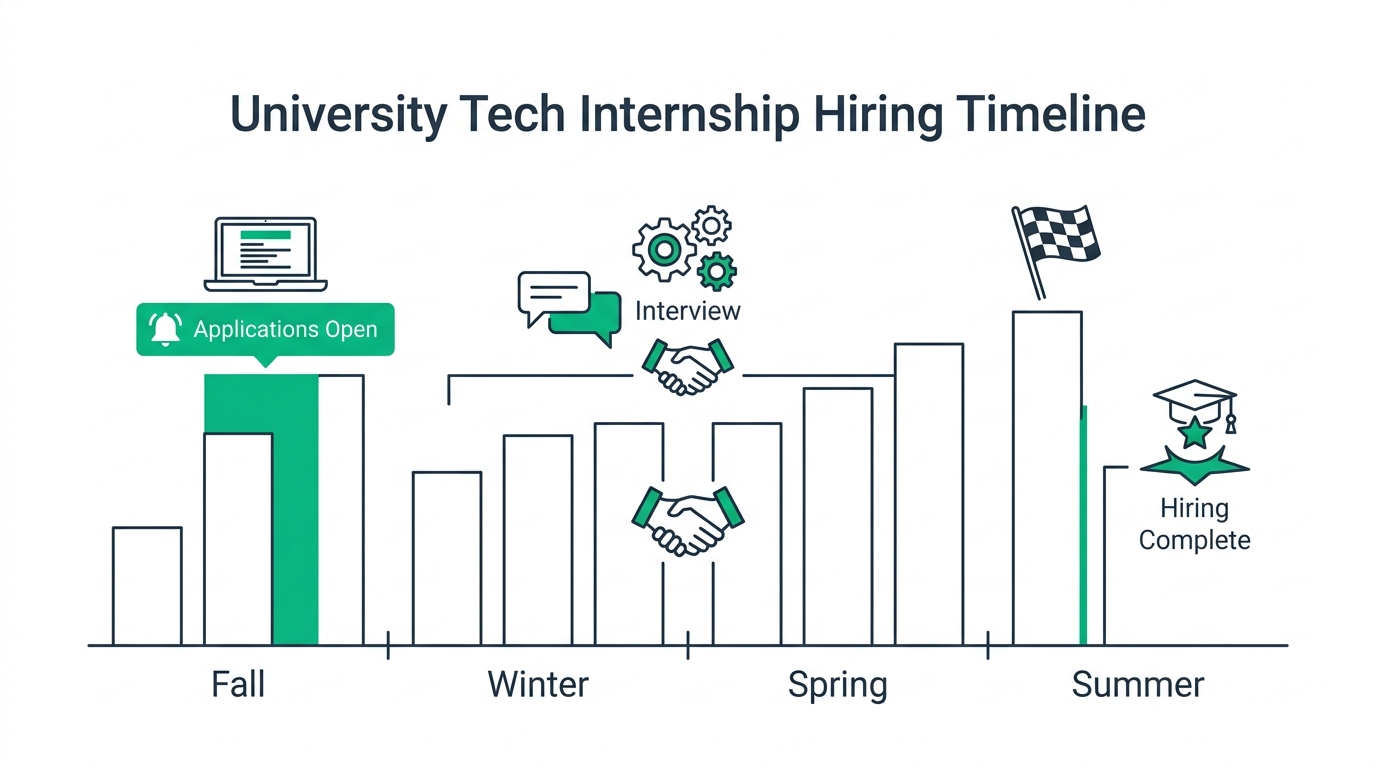
Most top tech internships open in August and fill interview slots within weeks. Here is the annual hiring timeline, compensation data, and day-zero alert strategy.
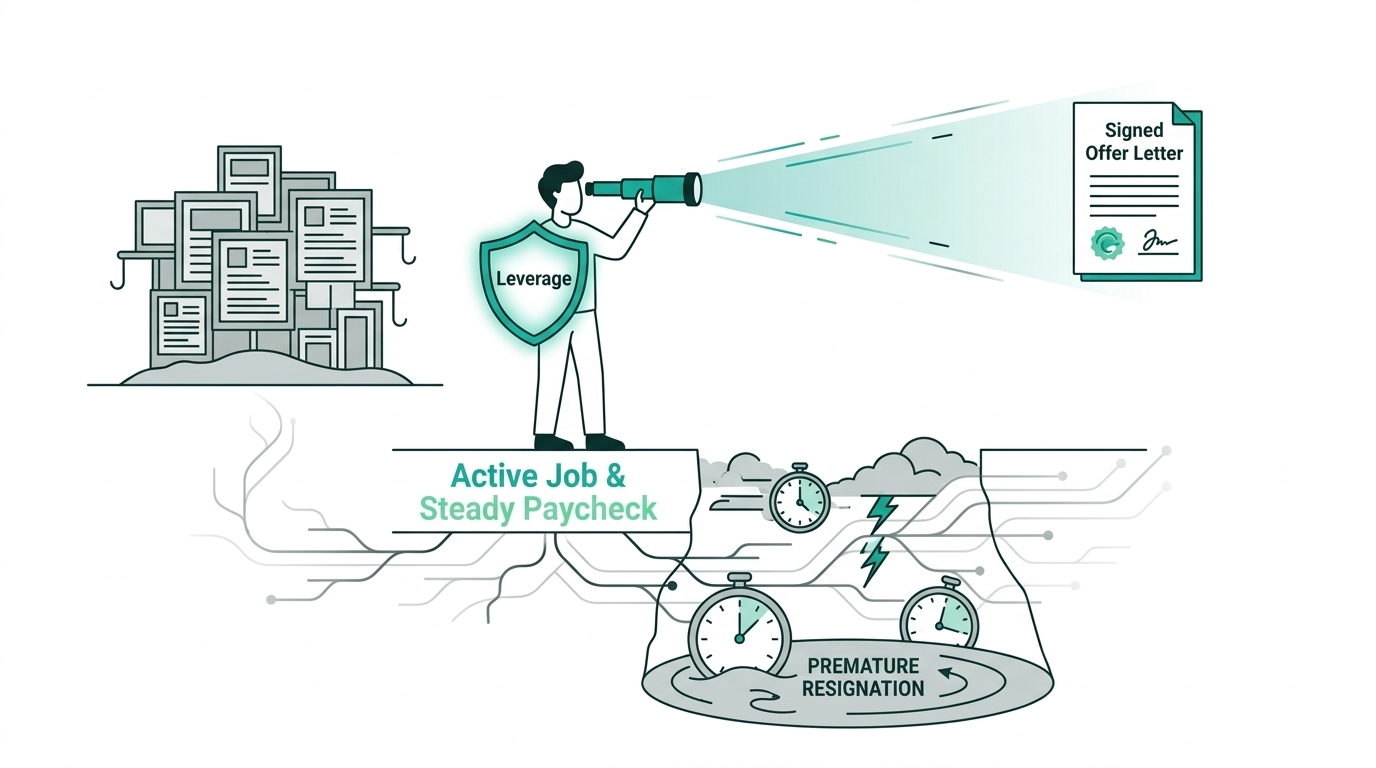
Rage-quitting a bad manager feels good for two days until the reality of a slow hiring market sets in. Here is the math on why staying preserves your bargaining power, and how to survive while interviewing.
Why remote engineering listings hit 1,000+ applicants within 24 hours, the math of recruiter screening queues, and the exact pipeline to get in the top 3% before links get shut down.
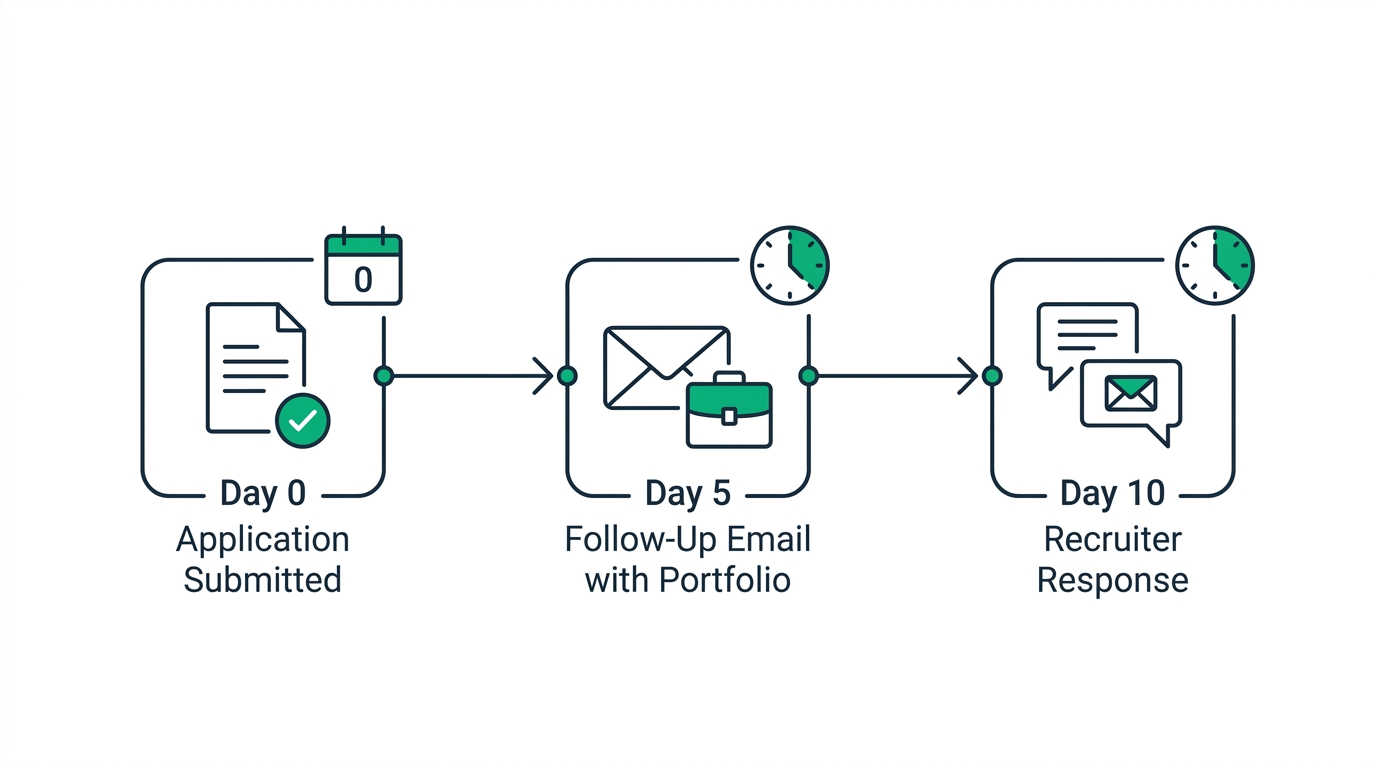
Sending a follow-up email at the right time moves your resume to the top of an ATS queue. Here are four concise templates for recruiters and engineering managers.
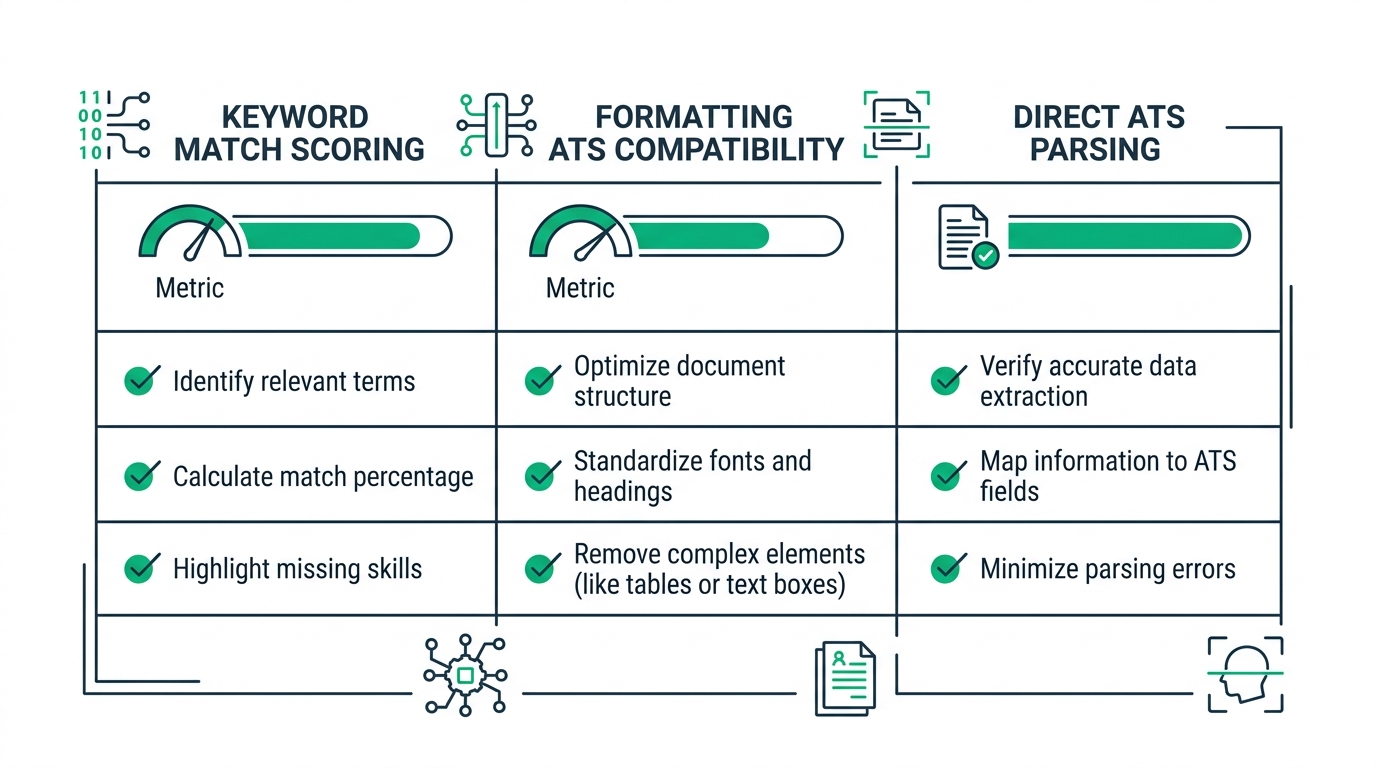
We tested Jobscan, Rezi, and Teal across 50 software engineering job descriptions. Here is what their match scores actually mean and which tools are worth the price.
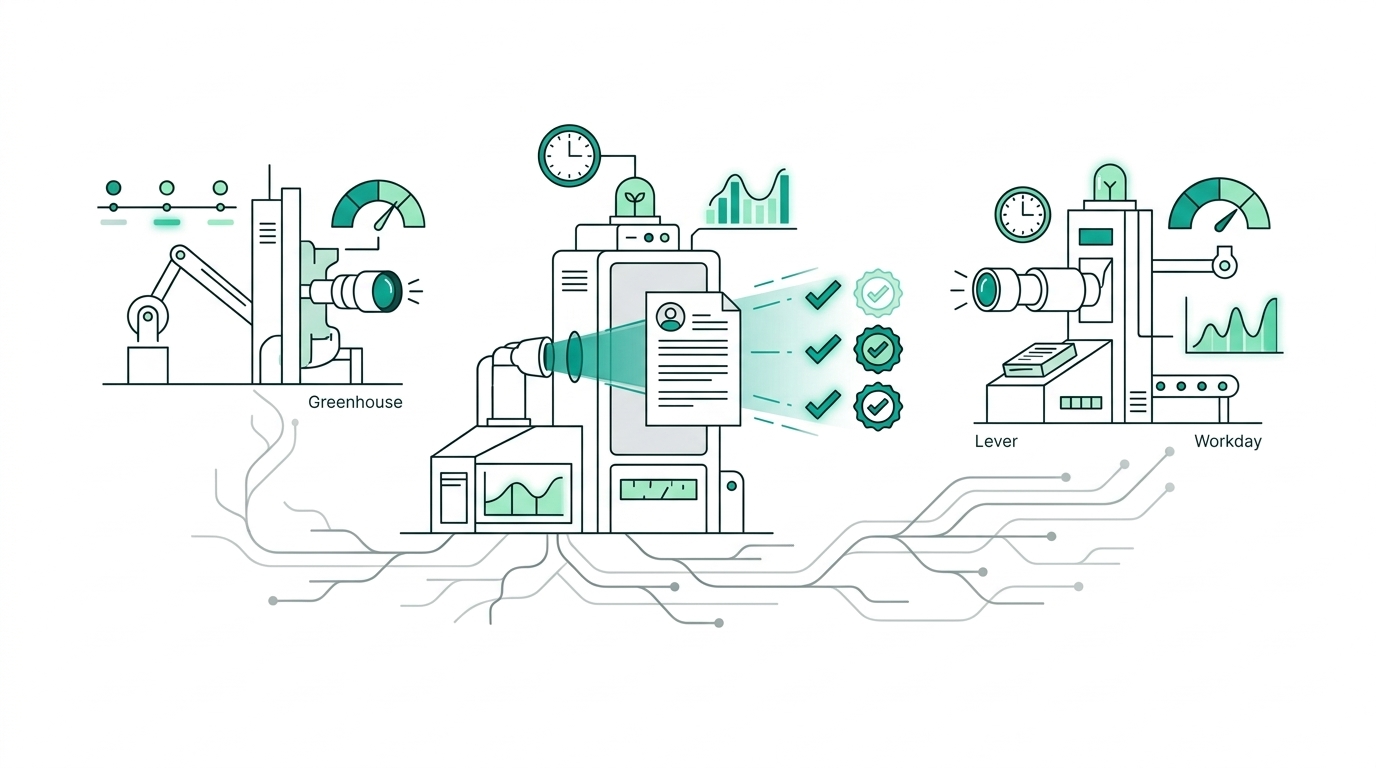
An engineer's breakdown of the 3 major Applicant Tracking Systems used by tech companies. How parsing algorithms score your resume, knockout question mechanics, and formatting rules that guarantee human review.
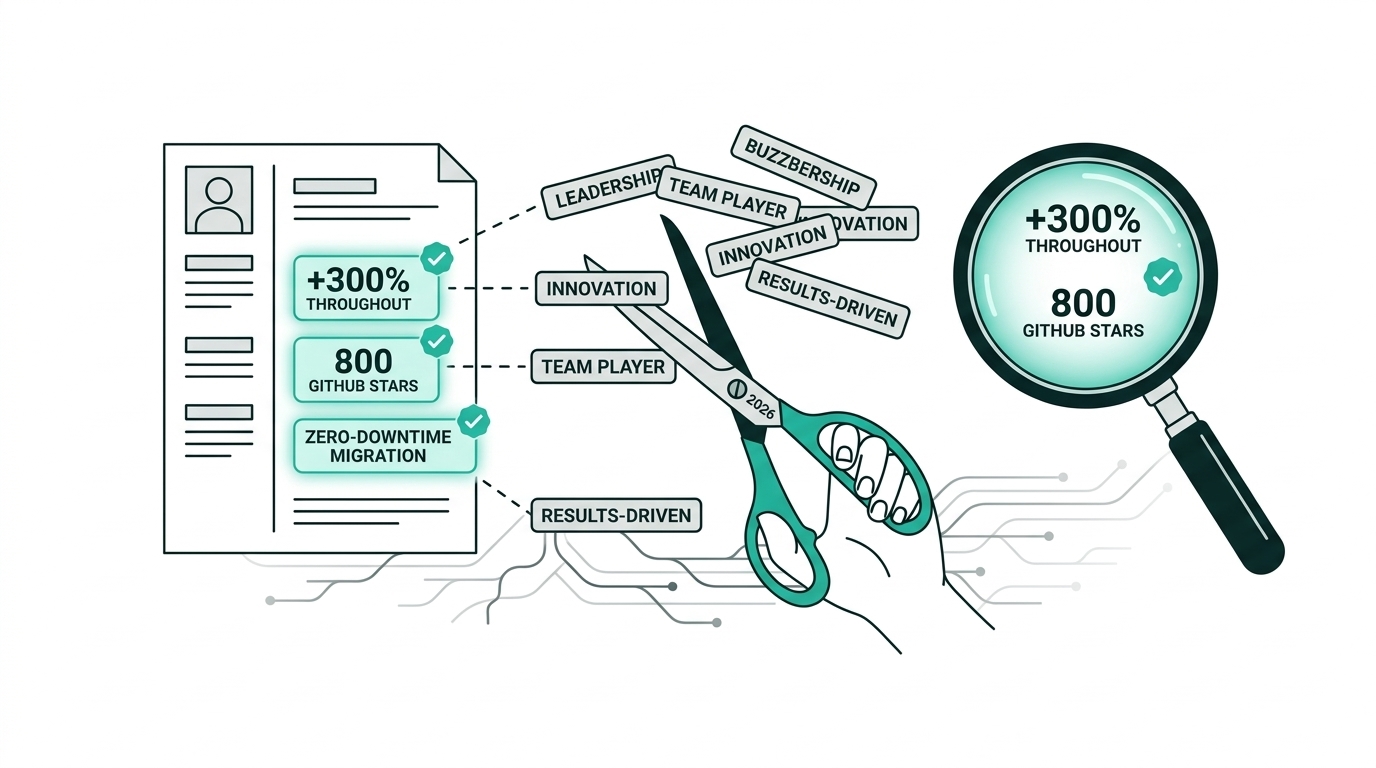
The 12 checks a modern applicant tracking system runs on your resume, and the fixes that survive both the bot and the human who reads it 6 seconds later.
Sending 100+ applications without an interview invite signals a breakdown in timing and targeting rather than technical ability. Here are the five root causes and a 7-day fix.
Exact word-for-word LinkedIn referral message scripts that get replies from alumni, 2nd-degree connections, and engineers on target teams. Plus the critical 2-hour window rule.
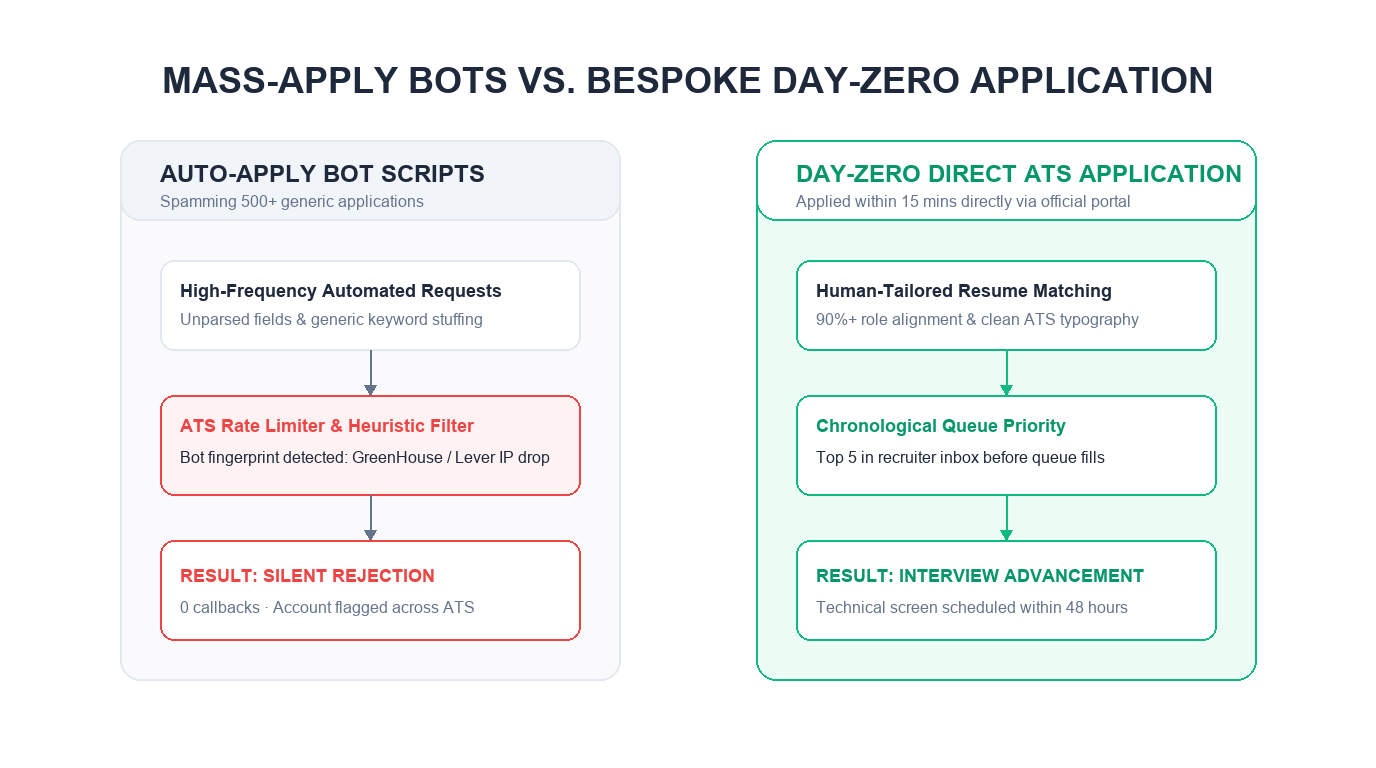
Mass-apply tools promise to automate your job search by submitting thousands of applications. Here is the data on why they yield sub-1% callback rates on tech roles.
We tested the seven most common tech job search and alert platforms over four weeks of real searches. Here is what works, what lags, and which stack to run.
HiringCafe and First2Apply offer clean alternatives to traditional job board spam, but both come with distinct limitations. Here is how they compare to modern direct-ATS alert engines.
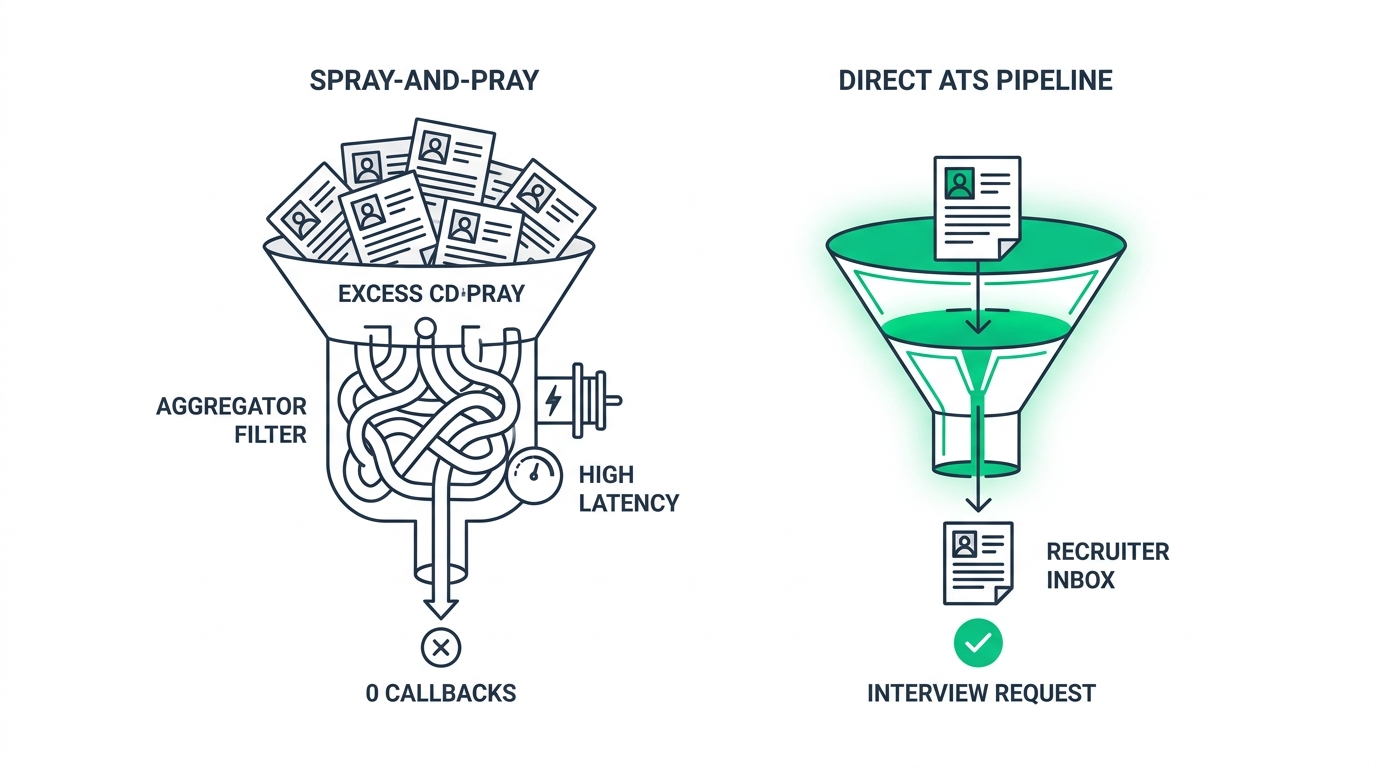
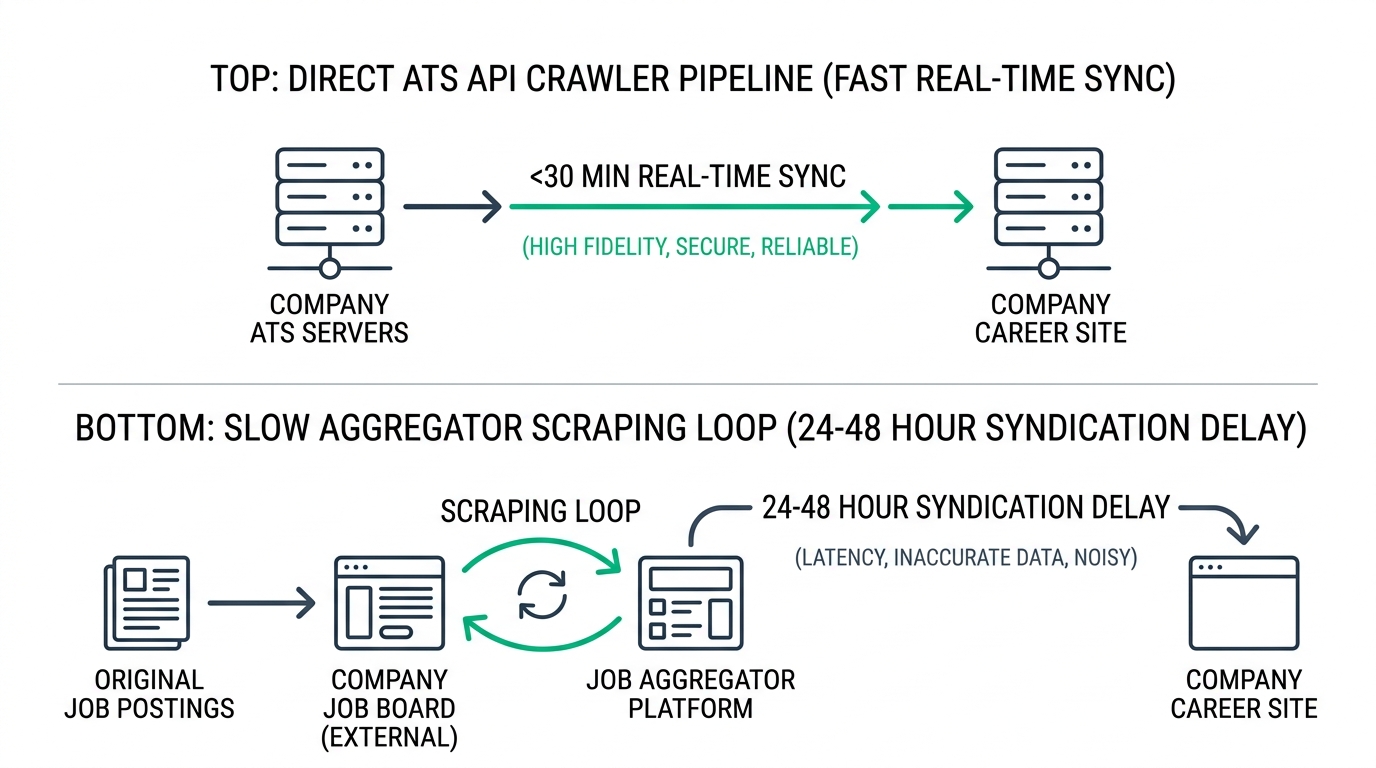
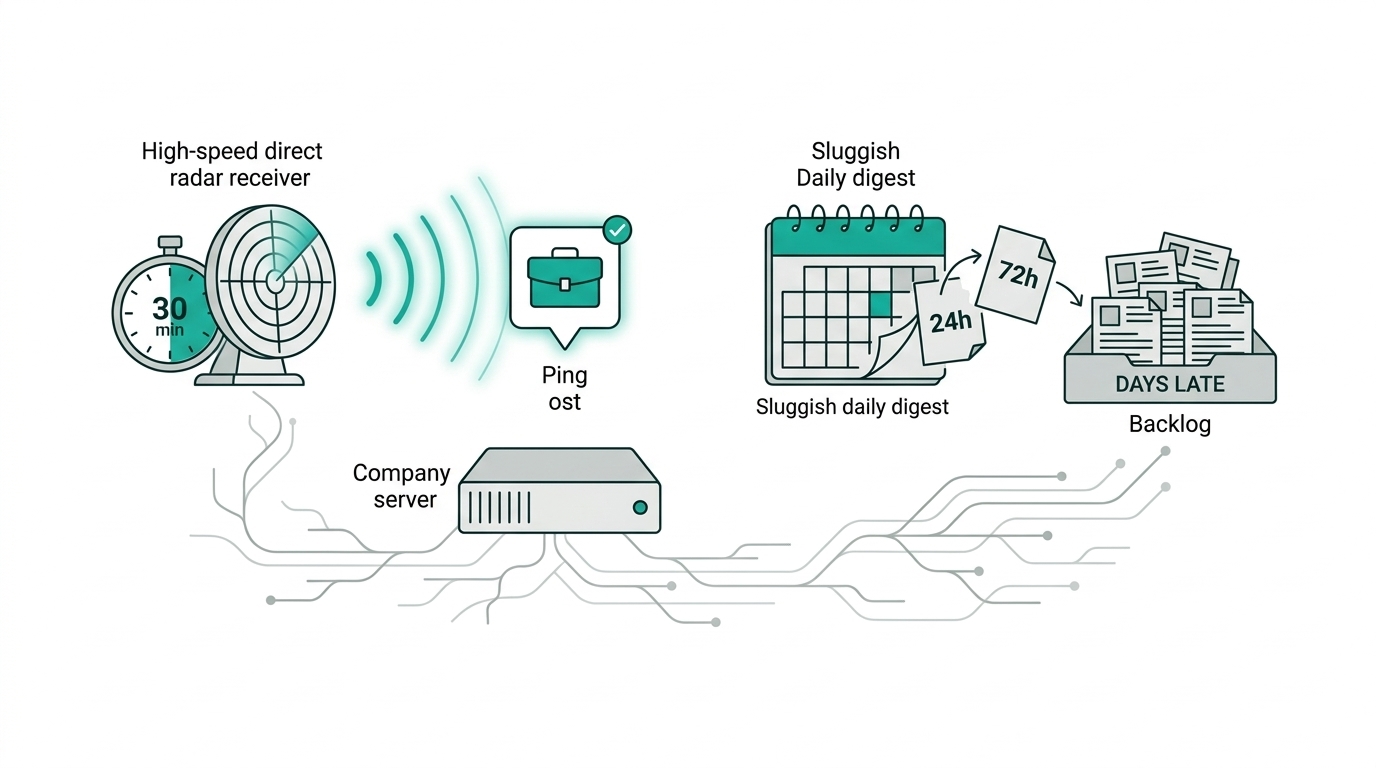
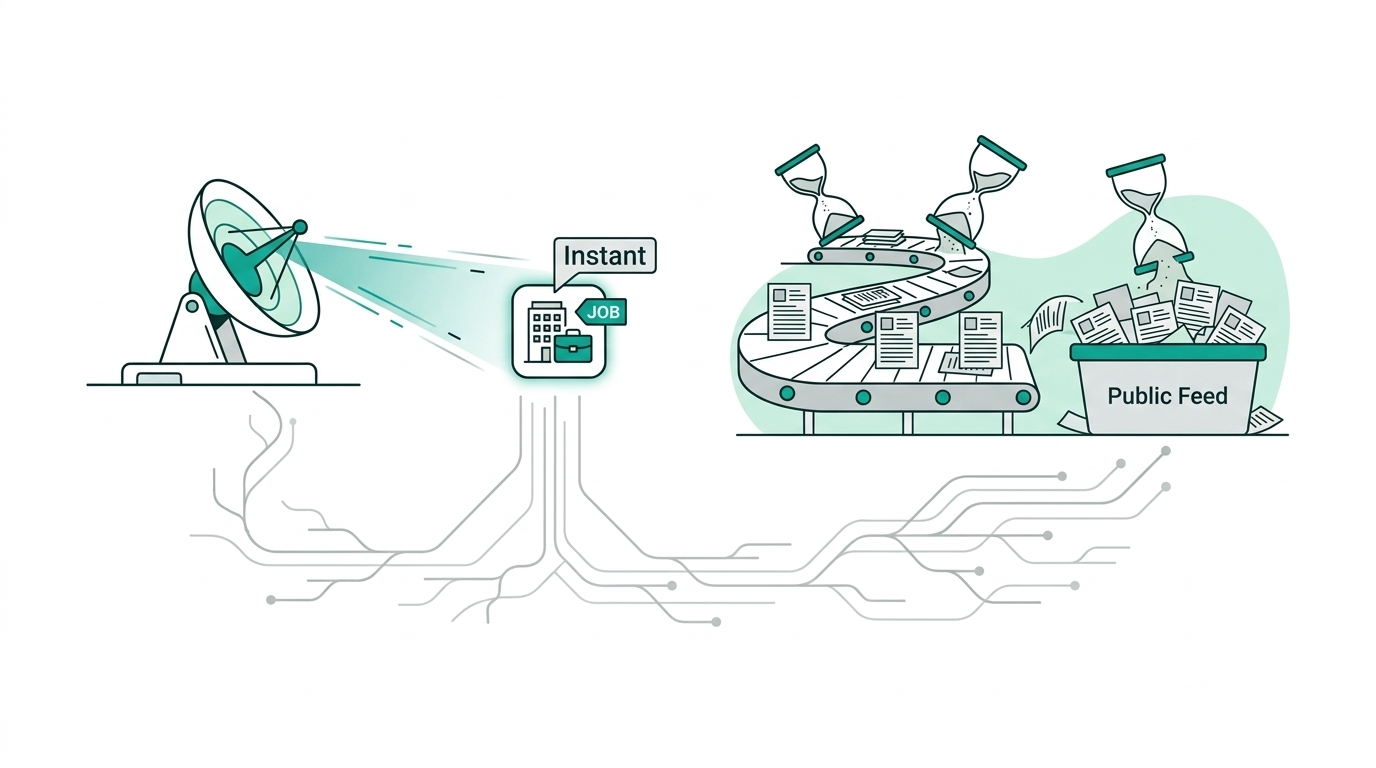
A technical breakdown of LinkedIn's 24-72 hour alert batching delay vs direct ATS career page indexing, and how latency impacts software engineering recruiter callbacks.
The day of the week you apply matters far less than being early on the specific role. Here is what the data actually shows, and why speed beats calendar tricks every time.
Short answer: it's the roles that exist inside a company but haven't been posted to public boards yet. Here is what that means in practice and 4 concrete ways to tap into it.
By the time a job hits LinkedIn, it already has 300 applicants. Here is how strong candidates find roles in the first few hours, and why that changes their odds.
Most great tech roles get filled through an internal referral before a JD ever hits the careers page. Here's the small set of moves that gets your name on the referral list.
Refreshing ten job boards every morning isn't an effective strategy. Here is how to consolidate your search into a single feed and improve your application response rate.
Mass-applying to public listings is a rigged game against you. Four moves that turn it in your favor: real-time alerts, direct applications, warm outreach, and a modular resume.
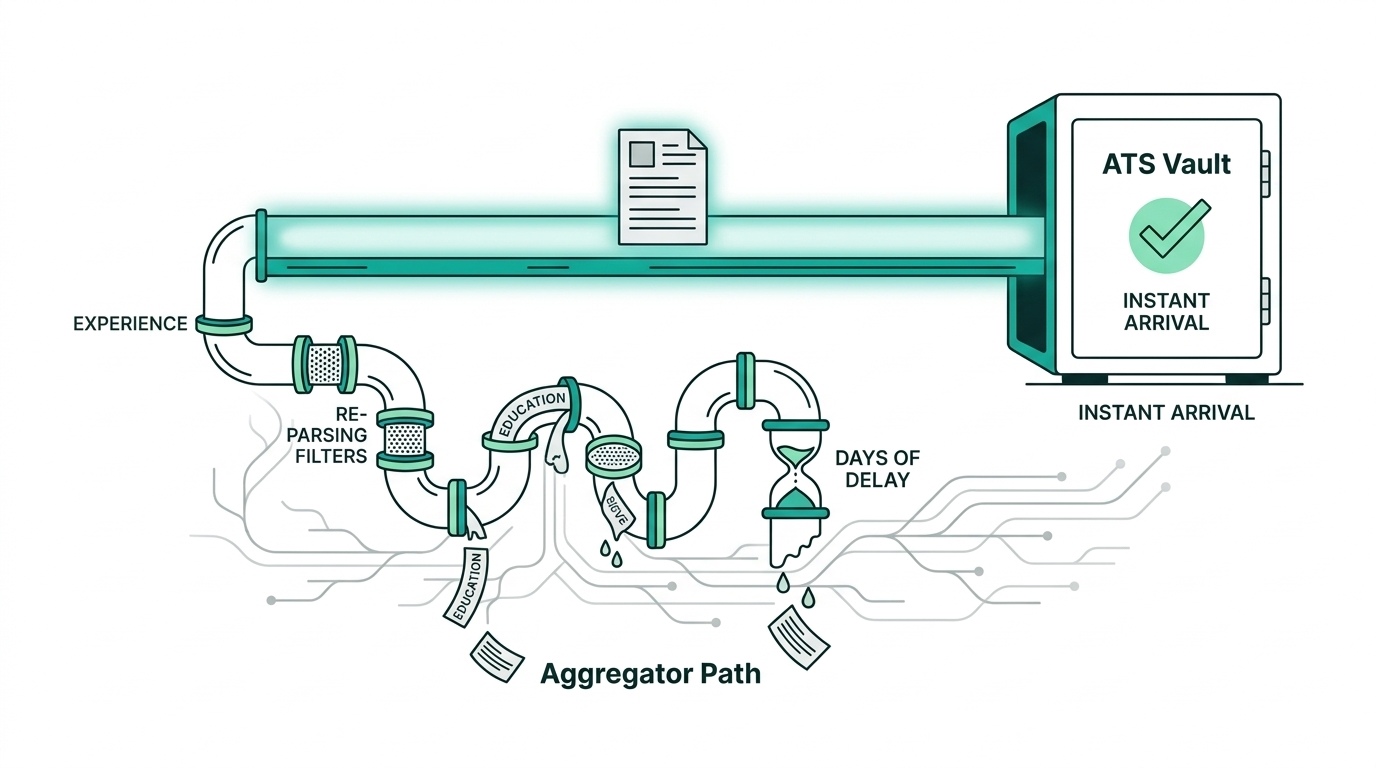
Short answer: when you apply through a third-party board, your resume takes a slower, lossier path to the hiring manager. Applying directly on the company's careers page fixes both problems in one move.
The Fastlyy engineering career library provides actionable, data-backed guides for software engineers, engineering leaders, and technical professionals. Our research focuses on beating Applicant Tracking Systems (Greenhouse, Lever, Ashby, Workday), applying within the high-response 15 minutes window, and accessing unadvertised roles directly through company career portals.